
In this Latest Thinking article to kick off the new school year, Zoe Morris, Executive Headteacher of Chorlton High School, part of the Prospere Learning Trust in Manchester, sets the scene for the changing picture for Arts education.
The landscape of education could finally be changing. The question we need to ask is: are we ready to help redraw the picture?
For decades, opportunities for creative and cultural education have been eroded through curriculum narrowing, funding cuts and competing priorities that too often positioned the Arts as a “nice to have”. Within schools, attainment, accountability and measurable outcomes have quite rightly mattered. But as the focus narrowed, the space for creativity, culture and the Arts was often squeezed out.
There is now a clear window of opportunity. The Curriculum and Assessment Review, SEND reforms, changes to accountability frameworks and a renewed focus on enrichment, all outlined in the CLA Education Reform Timeline, provide a chance to rethink the kind of education we want for young people.
As a school leader, I know that what we value is reflected in what we prioritise. Academic success will always matter, but it cannot be the sole measure of a young person’s educational experience. Increasingly, there is wider recognition that creativity, culture, belonging and participation are not desirable extras but essential features of an education that prepares young people to thrive in a complex and changing world.
The question is no longer whether this matters, but how we make it happen. As schools begin to shape their future, we have an opportunity to ensure that high-quality Arts and cultural education sits at the heart of that work. For those of us who advocate for an Arts-rich education, the challenge is turning that ambition into reality.
- The starting point is an honest look at the picture within our own schools.
- Where does creativity sit within our curriculum?
- What opportunities do young people have to create, perform, participate and express themselves?
- Is enrichment genuinely an entitlement for every young person, or does access still depend on confidence, circumstance or family resources?
- How much access do they have to culture beyond the school gates, and how do we help them engage with it?
The challenge is to rebalance our priorities so that these experiences do not sit at the edges of school life. They cannot be what happens when everything else has been completed.
At the same time, there is one crucial question that may determine whether any new vision succeeds: how are we preparing our workforce?
Schools cannot create richer experiences for young people without investing in the adults who make them possible. Teachers need professional development that builds confidence in creative approaches. They need opportunities to work alongside artists and cultural practitioners. They need permission to experiment, collaborate and develop their practice.
It is notable that while creativity has been stripped away from many schools over the past decade, we have learnt a great deal about effective teacher development. As a sector, we understand that meaningful professional development takes time, investment and a clear focus.
Rebuilding opportunities for drama, dance, music and the Arts requires teachers with the knowledge, skills and confidence to deliver them. At present, this is a significant gap that needs addressing. Teacher training opportunities have been decimated over the years, local teacher CPD networks have dwindled, and competing school priorities have squeezed out the in-house thinking space that allows teachers to develop their practice.
If, as school leaders, we are brave enough to seize the opportunities presented by these reforms, we must also be prepared to invest in developing our staff.
There is also an opportunity to work more closely with cultural organisations. They too will need time to respond and learn how we can work together in meaningful ways, moving beyond occasional projects and one-off collaborations towards sustained partnerships.
As the tone of this article may suggest, there is a sense of urgency. Experience tells us that when education reform comes, it comes quickly. This autumn, the new picture will begin to emerge. The draft National Curriculum will be published. School leaders will start to see how SEND reforms translate into practice. Ofsted will begin making judgements about enrichment entitlement.
This is our moment to be ambitious. The landscape is changing, and we have an opportunity to place the Arts firmly in the foreground.
We all have a role to play. If we want to shape what comes next, we must be bold and provide clarity. Creativity emerges from curiosity, experimentation and collaboration, yet schools often operate within structures that value certainty and accountability. We need to articulate clearly to school leaders, governors and trustees what this shift looks like in practice, how it can be embedded within the realities of school life, and the benefits it can bring for staff, students and communities.
Those of us who come to this conversation with experience, conviction and a longstanding commitment to the Arts must engage actively in leadership discussions. We have a responsibility not only to champion the vision, but also to provide the practical pathways that will help schools build capacity, develop confidence and make meaningful change.
This is a once-in-a-generation opportunity. After being sidelined for so long, we must move from advocacy to action, combining ambition with pragmatism and vision with practical steps. If we do, we can help create a bigger, bolder future in which creativity, culture and the Arts are not peripheral to education, but fundamental to it.
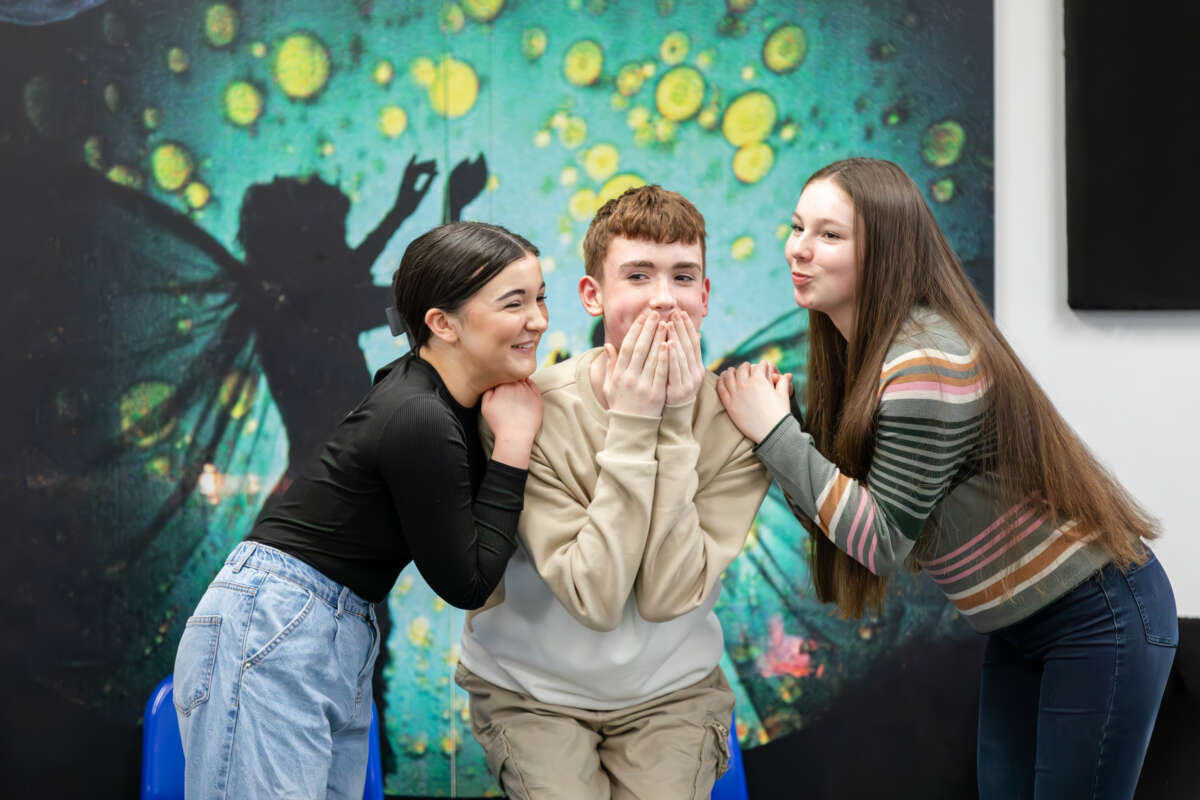
Image – Dowedales School workshop in Stratford. Credit Sara Beaumont for RSC